


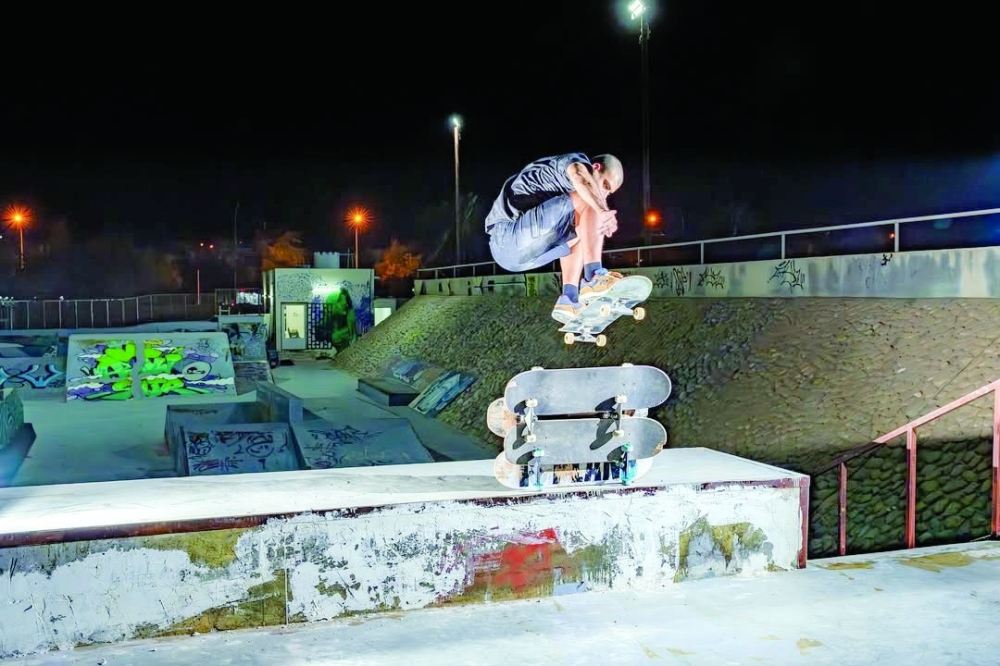





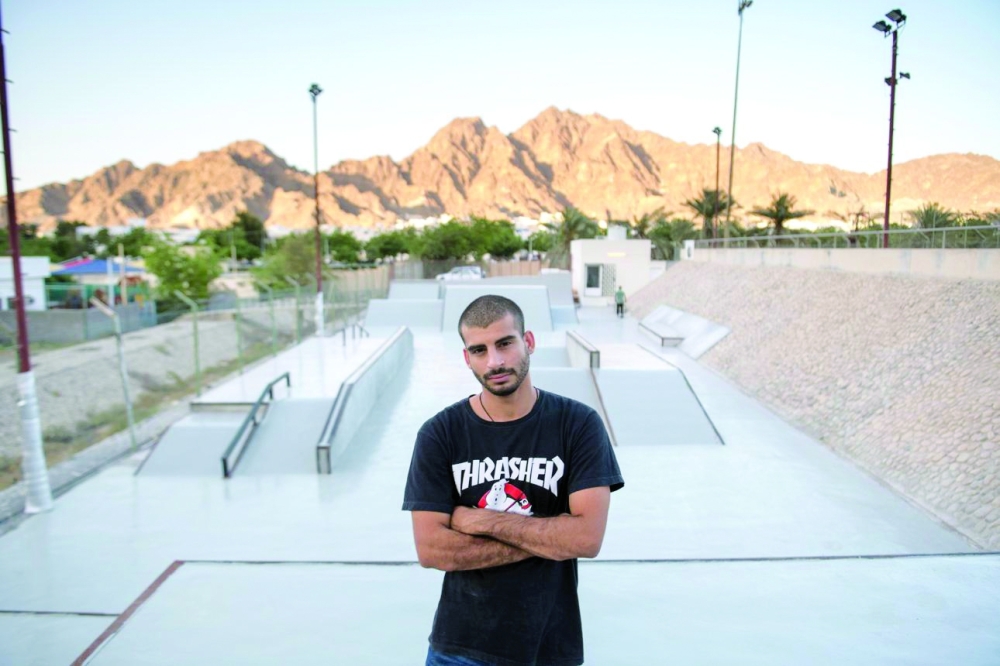
When Oman Skate opened its doors in Al Wadi Al Kabir in 2018, it marked a rare moment for a small but determined group of young people who had long been skating on the margins.
For years, skateboarders in Oman had no dedicated space. They moved between car parks and pavements, often asked to leave. The opening of a purpose-built park, led by Hytham al Wahaibi, gave the community something it had never had before: a place to stay.
I was there at the opening. It was not a grand launch, but there was a clear sense of arrival. When I spoke to Hytham, he described the park as something the community had needed for years. It felt like more than a business.
Eight years later, that chapter has come to an end.
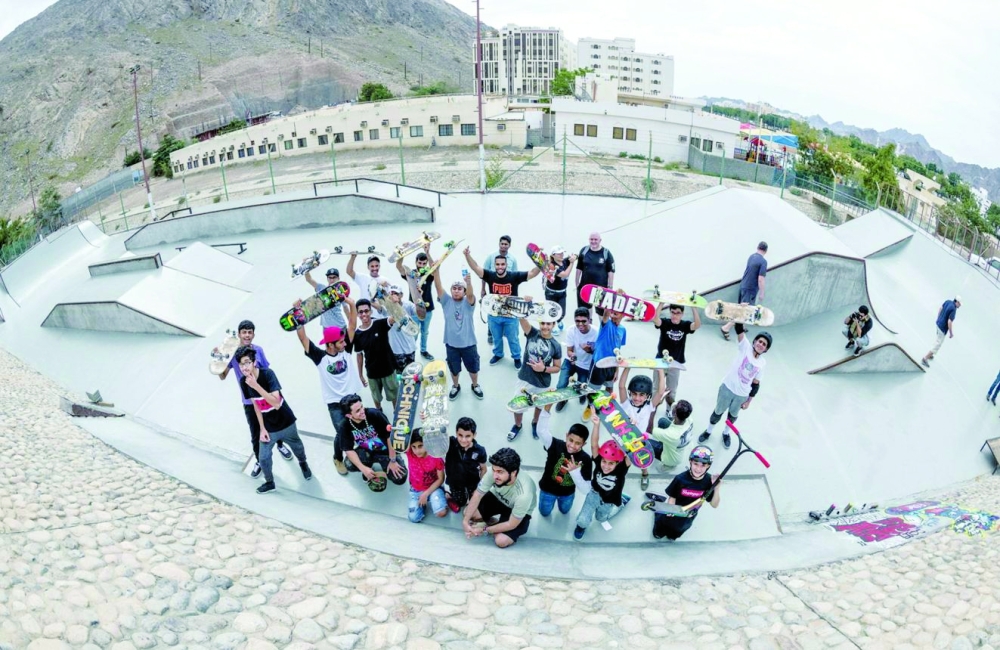
Financial pressures and closure
In a statement, Oman Skate confirmed that both the skate park and its retail shop would close, citing financial strain.
“The skate park opened in 2018 with the intention of growing the skateboarding community and embracing the culture in Oman. Over the years, we’ve achieved more than we imagined.
“However, running both the skate park and the skate shop has become an increasing financial challenge... With that, we announce the closure of the Oman Skate skate park and shop in Al Wadi Al Kabir”.
The space became a focal point for skaters across Muscat and beyond.
Hytham said the decision was not taken lightly and expressed hope the initiative might find a new home.
“We believe we have done our part for the community... and we welcome anyone who may wish to carry this vision forward”.
A growing but overlooked sport
Skateboarding in Oman has developed quietly over the past decade, driven largely by youth participation rather than institutional support.
Globally, the sport gained recognition after its inclusion in the Tokyo 2020 Olympics. Athletes such as Yuto Horigome and Rayssa Leal brought international attention.
In Oman, however, development has remained limited. Skateboarding is still often viewed socially rather than as a structured sport and skaters are frequently seen as disruptive in public spaces.
Within the community, it is understood differently: a discipline requiring consistency, skill and resilience.
More than a facility, reaction from the community
For many, Oman Skate was more than a venue. It brought together Omanis and expatriates, teenagers and adults; and offered a controlled space to practice.
Attempts were made to expand its reach through gatherings and competitions aimed at formalising the sport locally. While participation grew, sustained institutional or financial backing did not follow.
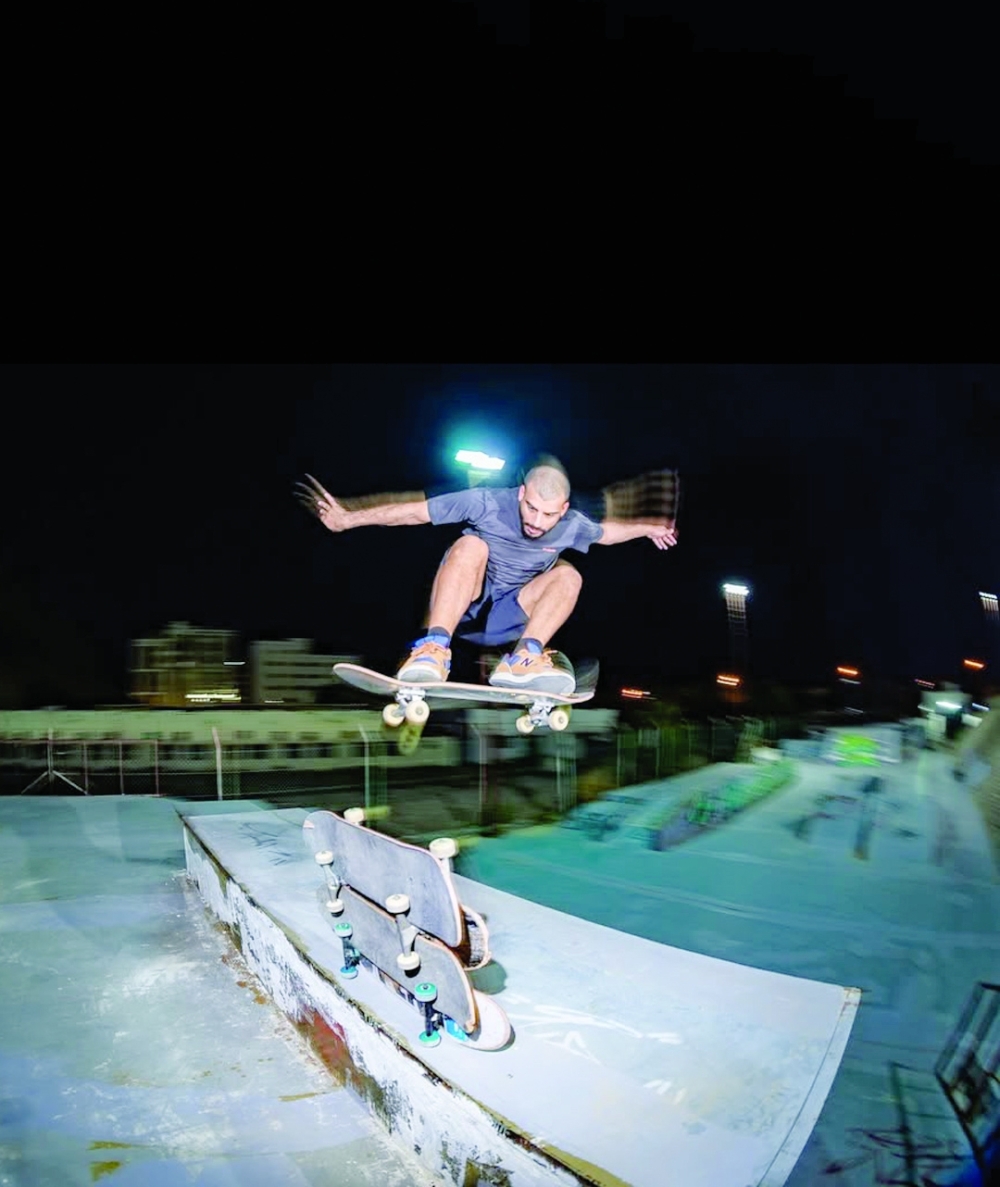
After the announcement, supporters described the park’s impact on a generation of skaters.
Two Thousand Magazine called it “a real community and an incubator of the youth’s energies and talents... that built a soul and inspired a generation”.
Others said it was “your second home... a home for creatives, skaters and dreamers”.
Another response noted: “I’m shocked there wasn’t any support to keep this going”.
The reactions highlight a wider issue: the lack of support for youth-led activities in Oman.
End of an era
When Hytham locked the gates for the final time, it was not just a closure. It was a question left open: what happens to a generation when its spaces disappear?
It is easy to call this inevitable. Financial realities. Practical decisions.
But having witnessed its beginning and end, it feels like a missed opportunity.
Because sometimes, all it takes is one sponsor, one believer to sustain what passion alone cannot.
A place where young people found a version of themselves that made sense.
That loss carries weight.
Oman Observer is now on the WhatsApp channel. Click here


